Self-Sufficiency 101: The Fundamentals of Starting a Homestead
There is something deeply satisfying about producing more of what your family needs with your own hands. Whether you’re growing tomatoes on a suburban patio or managing several acres in the country, self-sufficiency is often the heart of homesteading.
Many people picture a self-sufficient homestead as a place where every meal comes from the garden, livestock roam the pasture, and the pantry is stocked with home-canned food. While that can certainly be the goal, true self-sufficiency isn’t about doing everything at once. It’s about making intentional choices that help your family rely less on outside systems and more on the skills, resources, and resilience you build over time.
What Does Self-Sufficiency Really Mean?
- Self-sufficiency isn’t about perfection.
- You don’t need to grow all your own food, make your own clothes, or live completely off-grid. Instead, think of self-sufficiency as reducing dependence on stores and services by learning practical skills and producing more of what you use every day.
- Every tomato you grow, loaf of bread you bake, or egg you collect is a step toward greater independence
Start Small and Build Slowly
One of the biggest mistakes new homesteaders make is trying to do everything at once.
It’s tempting to plant a huge garden, buy chickens, learn canning, start composting, and raise livestock all in the same season. Unfortunately, this often leads to burnout.
Instead, choose one or two areas to focus on each year.
For example:
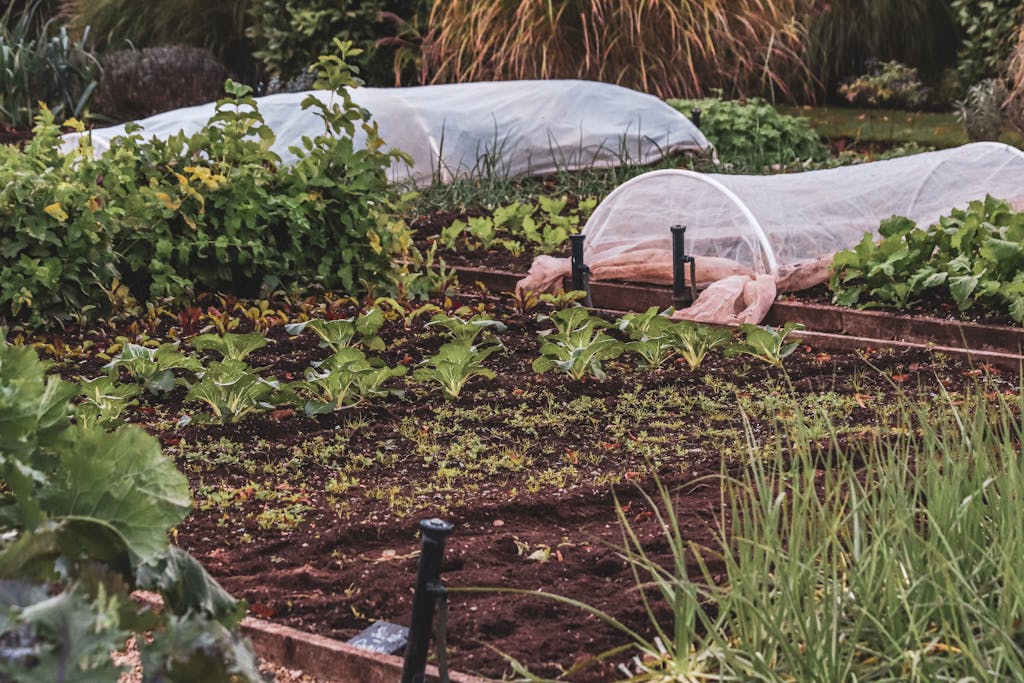
- Year 1: Build a garden and learn composting.
- Year 2: Add chickens for fresh eggs.
- Year 3: Learn food preservation and expand growing space.
- Year 4: Add fruit trees or small livestock.
Building slowly allows you to gain confidence while creating sustainable habits.
Grow Some of Your Own Food
Food production is one of the easiest and most rewarding ways to become more self-sufficient.
Begin with crops that are beginner-friendly and productive:
- Lettuce
- Green beans
- Tomatoes
- Zucchini
- Cucumbers
- Herbs
- Potatoes
Focus on growing foods your family actually enjoys eating. There’s little value in producing large quantities of vegetables that end up going to waste.
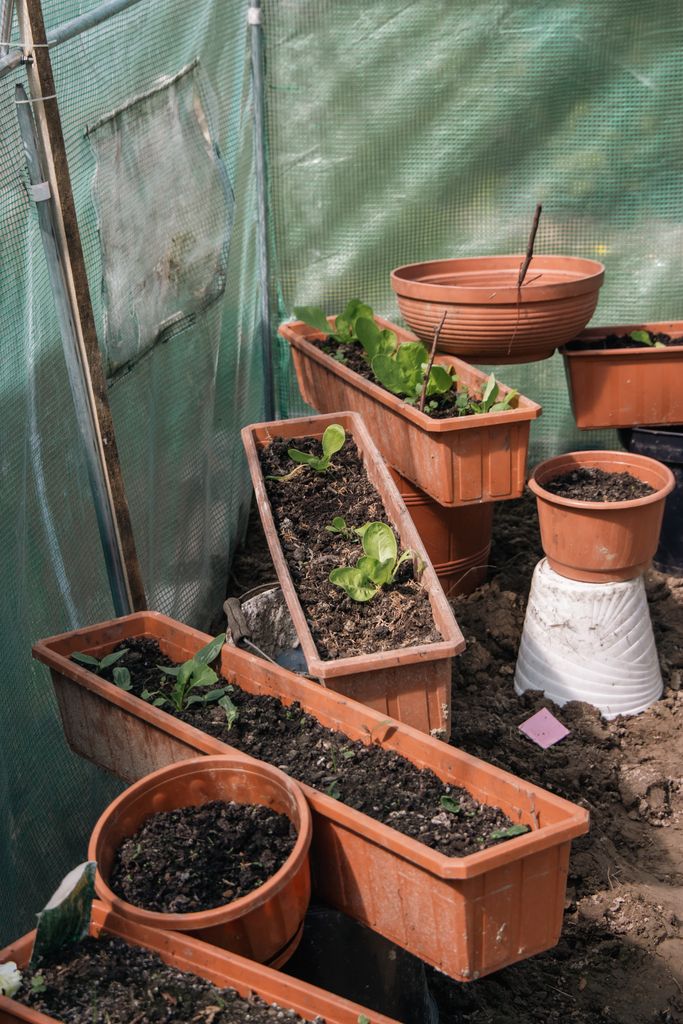
As your skills improve, consider succession planting, seed saving, and extending your growing season with cold frames or greenhouses.
Learn Food Preservation
Growing food is only part of the equation. Preserving your harvest allows you to enjoy homegrown food throughout the year.
Begin with simple methods:
Freezing
Great for berries, vegetables, herbs, and prepared meals.
Dehydrating
Perfect for herbs, fruits, vegetable powders, and snacks.
Water Bath Canning
Ideal for jams, jellies, pickles, and acidic foods.
Pressure Canning
Used for vegetables, soups, broths, and meats.
A well-stocked pantry provides security during busy seasons, unexpected expenses, or supply chain disruptions.
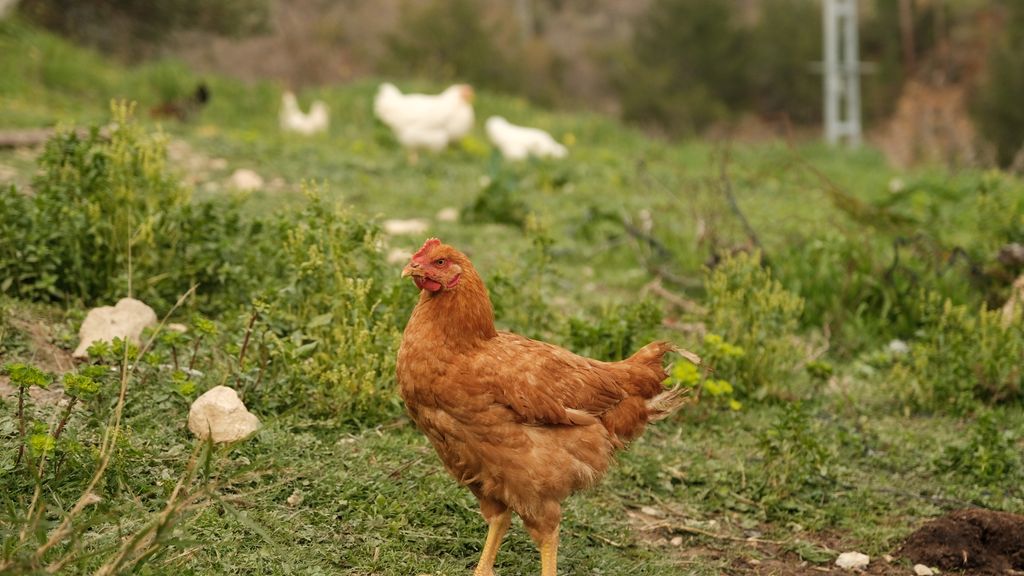
Raise Backyard Chickens or Ducks
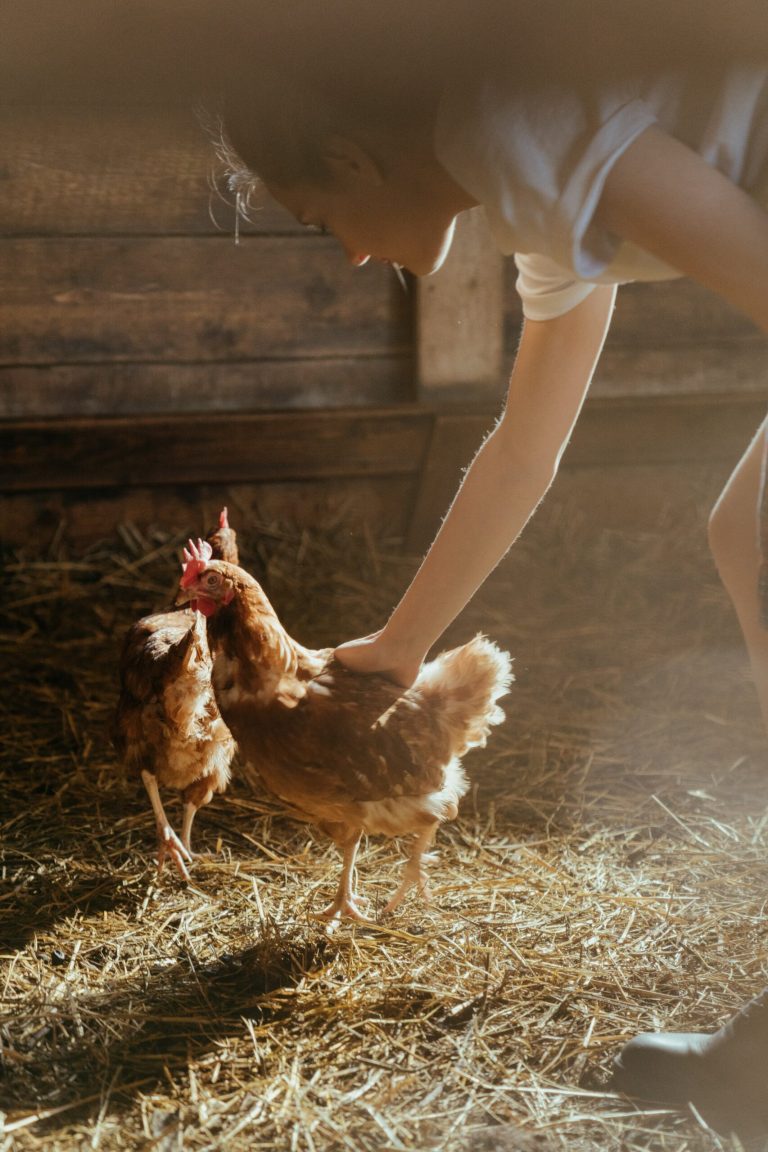
Chickens are often called the gateway livestock of homesteading—and for good reason.
Benefits include:
- Fresh eggs
- Natural fertilizer
- Pest control
- Reduced food waste
- Educational opportunities for children
Most beginners find chickens relatively easy to care for compared to larger livestock. Start with a small flock and learn their needs before expanding.
Compost Everything You Can
Healthy soil is the foundation of every productive homestead.
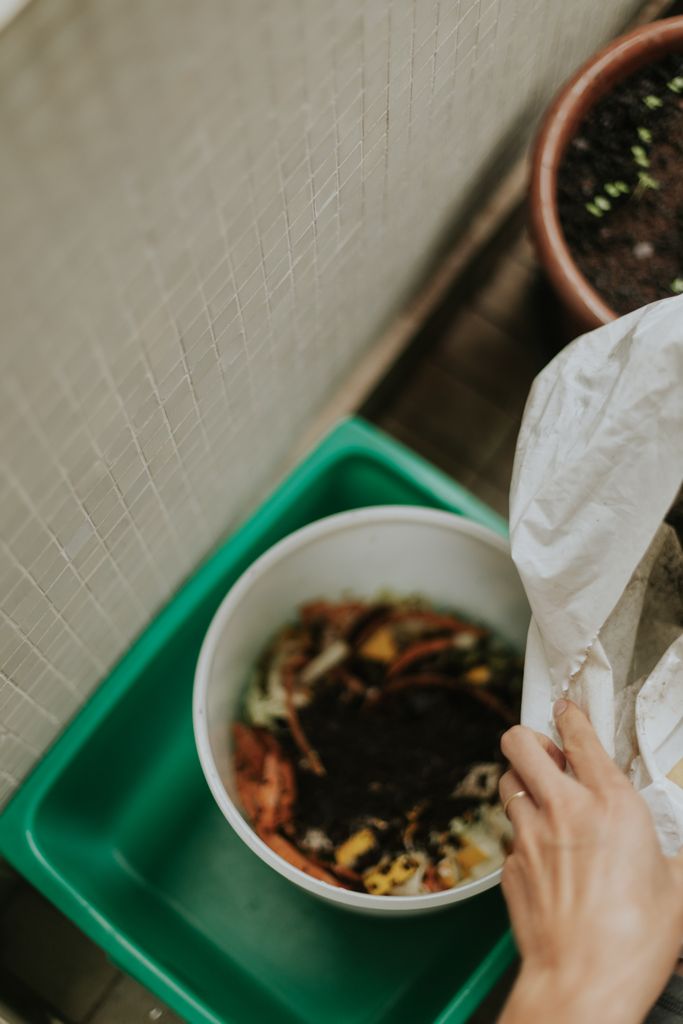
Composting transforms kitchen scraps, leaves, grass clippings, and garden waste into nutrient-rich organic matter.
Benefits include:
- Improved soil health
- Better water retention
- Reduced need for fertilizers
- Less household waste
Think of compost as turning yesterday’s leftovers into tomorrow’s harvest.
Reduce Household Waste
Sustainable living and self-sufficiency often go hand in hand.
Simple ways to reduce waste include:
- Using reusable shopping bags
- Switching to cloth napkins
- Reusing glass jars
- Composting food scraps
- Repairing items before replacing them
- Buying quality items that last longer
Small changes made consistently can significantly reduce household expenses and environmental impact.
Learn Practical Homestead Skills
The more skills you develop, the more resilient your homestead becomes.
Consider learning:
- Basic gardening
- Bread baking
- Food preservation
- Sewing and mending
- Basic carpentry
- Animal care
- Seed starting
- Herbal remedies
- Cooking from scratch
Every skill adds another layer of independence.
Create a Homestead Budget
Self-sufficiency is not about spending thousands of dollars on equipment.
In fact, successful homesteaders often become experts at doing more with less.
Create a budget for:
- Seeds
- Soil amendments
- Tools
- Livestock feed
- Infrastructure improvements
Prioritize investments that provide long-term value and reduce recurring expenses.
Build Community
Ironically, one of the best ways to become more self-sufficient is by building relationships with others.
Connect with:
- Local gardeners
- Farmers markets
- Beekeepers
- Poultry keepers
- Seed exchanges
- Homesteading groups
Strong communities allow people to share knowledge, resources, and support during difficult times.
Progress Over Perfection
IronRemember that self-sufficiency is a journey, not a destination.
Every garden planted, skill learned, and meal produced at home moves you closer to a more resilient lifestyle. Celebrate small wins and focus on steady progress.
The most successful homesteads aren’t built in a single season—they’re built one skill, one harvest, and one intentional choice at a time.
Whether you’re growing herbs on a balcony or managing several acres, the principles remain the same: produce what you can, learn continuously, and enjoy the process.
Your homesteading journey starts with a single step. Take it today.