A Guide to Maintaining Your Sourdough Starter
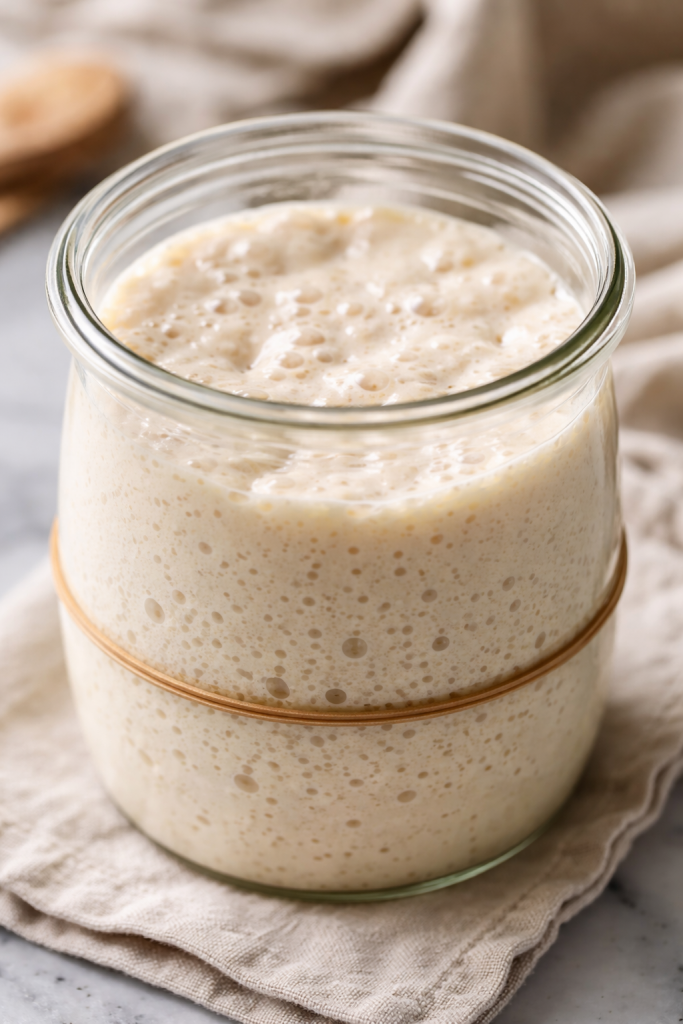
If sourdough has ever felt overwhelming, you’re not alone. Starter health is one of the most talked-about—and most overcomplicated, parts of sourdough baking.
The truth? A healthy starter doesn’t need constant attention, fancy flours, or rigid schedules. It needs consistency, balance, and a little understanding.
In this post, I’m breaking down:
- What “starter health” actually means
- Why I keep my starter fed with all-purpose flour
- How to use freshly milled flour without weakening your starter
- How to revive starter from the fridge
- How often to feed refrigerated starter
- And simple ways to stop overthinking sourdough altogether
What Does “Healthy” Sourdough Starter Really Mean?
A healthy starter is one that:
- Rises predictably after feeding
- Smells mildly tangy or yeasty (not harsh or rotten)
- Produces bread with good oven spring and flavor
- Recovers quickly after time in the fridge
Contrary to popular belief, a starter does not need to double perfectly every single time or be fed multiple times per day to be healthy. Strength comes from balance, not constant feeding.
Why I Use All-Purpose Flour for My Starter
Even though I bake almost exclusively with freshly milled grains, my starter itself is fed with all-purpose flour, and that choice is intentional.
Here’s why:
1. All-purpose flour creates consistency
Freshly milled flour varies from batch to batch. Protein levels, bran content, and absorption all fluctuate, which can make your starter unpredictable. All-purpose flour gives your starter a stable, repeatable food source.
2. Less bran = less stress on yeast
Freshly milled flour contains the entire grain, including sharp bran particles. Over time, heavy bran can weaken gluten structure inside the starter itself, leading to sluggish rises and poor gas retention.
3. A strong starter supports freshly milled dough better
Think of your starter as the engine. A steady, well-fed all-purpose starter is better equipped to ferment heavier, more complex doughs made with fresh grain.
A strong starter makes better bread than a “pure” starter that struggles to stay active.
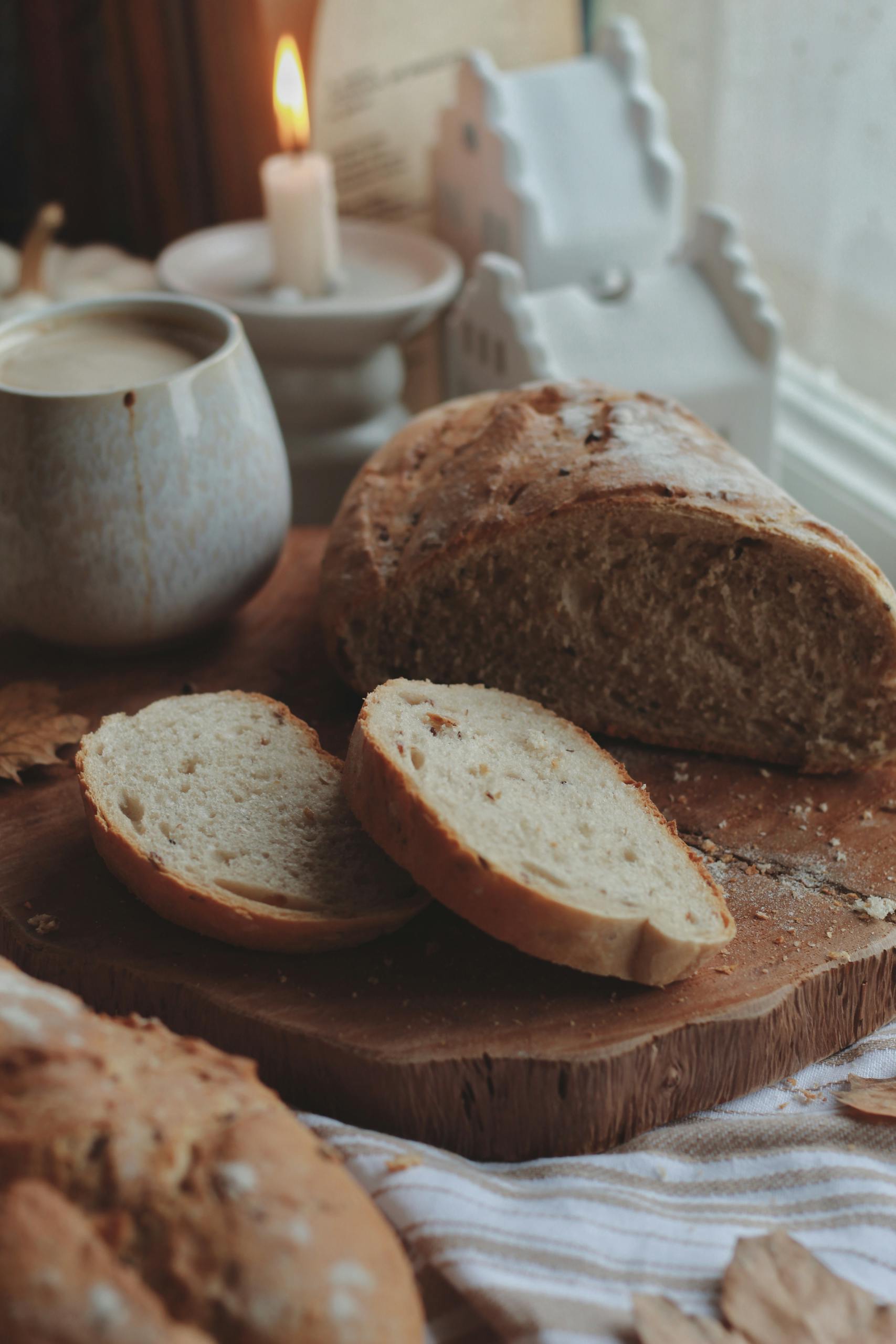
Want to Use 100% Freshly Milled Flour? Use a Levain Instead
What is a levain?
If your goal is to bake with only freshly milled flour, the best approach is to keep your starter stable and build a freshly milled levain for each bake. A levain is simply a portion of starter fed specifically for a recipe.
How this helps:
- Your main starter stays strong and predictable
- You get the flavor and nutrition of fresh grain
- You avoid weakening your long-term starter
Example levain build:
- 20g mature all-purpose starter
- 40g freshly milled flour
- 40g water
Let it rise until airy and active, then use it in your dough.
How to Revive Starter from the Cold Fridge
A refrigerated starter isn’t dead, it’s just resting.
Step-by-step revival:
- Remove starter from the fridge
- Let it sit at room temperature for 1–2 hours
- Discard down to a small amount (20–40g)
- Feed 1:2:2 or 1:3:3 (starter:water:flour)
- Keep warm (70–75°F is ideal)
Most starters bounce back within 1–2 feeds. If it’s been dormant for weeks, it may take a few cycles—but patience works better than overfeeding.
How Often Should You Feed Starter in the Fridge?
This is where people tend to overdo it.
Realistic feeding schedule:
- Once every 7–14 days is enough
- Feed, let it rise slightly, then refrigerate
- No daily feedings needed
If you bake weekly, your starter can live happily in the fridge between bakes.
Sourdough is meant to fit into real life—not become another full-time job.
Signs Your Starter Is Still Healthy (Even If It’s Quiet)
Not every healthy starter looks dramatic.
Healthy signs include:
- Small bubbles throughout
- Mild sour or yeasty aroma
- Slow but steady rise after feeding
- Bread still ferments and bakes well
Cold starters are often quieter—but quiet does not mean weak.
Ways to Uncomplicate Sourdough Starter Care
Selecting an appropriate site for your bee hives is vital for the health of your bees and the success of your beekeeping efforts.
- Stop chasing the “perfect rise”: Consistency matters more than speed.
- Keep feeding ratios simple: Stick with 1:2:2 or 1:3:3 and adjust only if needed.
- Don’t change flours constantly: Stability builds strength.
- Trust your starter more than the clock: Watch how it behaves, not just the hours.
- Remember: people baked sourdough long before Instagram: Your starter doesn’t need to be aesthetic—it needs to work.
Final Thoughts: Strong Starter, Simple System
Beekeeping is both a time and financial investment, and understanding these commitments is essential for Healthy sourdough starter isn’t about doing more—it’s about doing less, more consistently.
By:
- Keeping your starter fed with all-purpose flour
- Using freshly milled flour in a levain
- Refrigerating without guilt
- Feeding on a schedule that fits your life
You create a system that supports nutritious, nourishing bread—without burnout.
And that’s what sourdough was always meant to be.