A Beginner’s Guide to Backyard Duck Raising
Raising backyard ducks is one of the most rewarding additions to a homestead, suburban or rural. Ducks are hardy, entertaining, and incredibly productive, especially when it comes to eggs. But they’re not effortless, and they’re not the same as chickens.
If you’re brand new and wondering “Are ducks right for us?”, this beginner’s guide will walk you through the pros and cons, diet, housing, cold weather care, and egg production so you can decide with confidence.
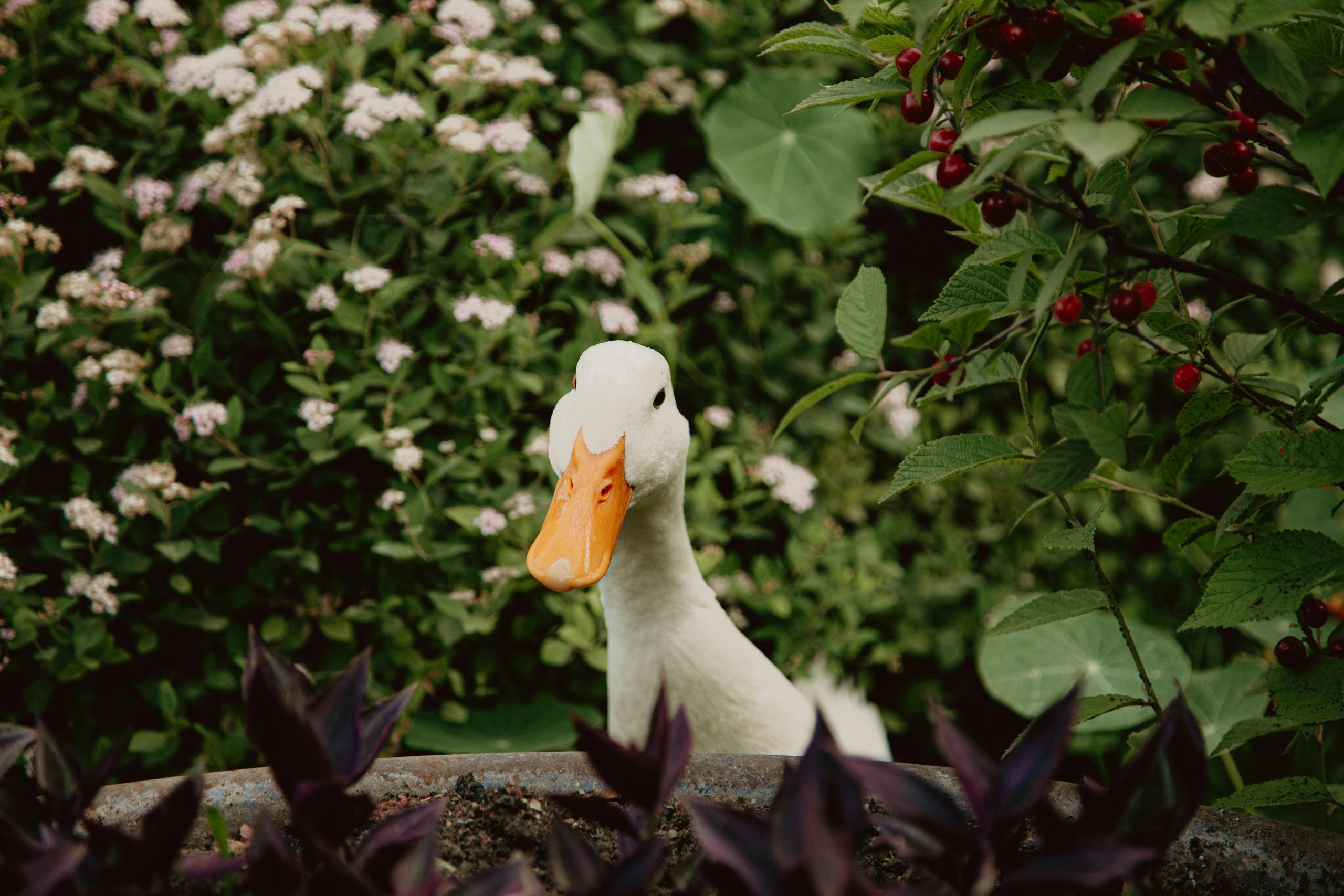
Why Raise Ducks Instead of Chickens?
Ducks are often overlooked in backyard setups, but for many families they’re actually a better choice.
Ducks tend to be :
- More cold-hardy
- Better foragers
- More consistent egg layers year-round
- Less prone to pecking and flock bullying
They are also incredibly fun to watch, waddling, chattering, and splashing their way through daily life. They are also very nosey, and definitely like to check things out. That said, ducks come with their own quirks (and mess).
Pros of Raising Ducks
- Excellent Egg Production– Most laying ducks produce 200-300 eggs per year, often continuing through winter when chickens slow down. Although I will say that my khaki campbell ducks started molting in winter and production has slowed down due to that. Duck eggs are richer in flavor, higher in fat and protein, and excellent for baking.
- Cold-Hardy Birds- Ducks tolerate cold far better than heat. Their dense feathers and body fat help them thrive in winter with minimal extra care. Although I do feel like my ducks are pampered and do not prefer the cold. I do give them access to indoor and outdoor access if they want during the unbearable cold weather.
- Strong Pest Control- Ducks love slugs, beetles, mosquito larvae, and weeds and grass. They also love lettuce, while they will leave a lot of your plants alone. Might want to contain the lettuce because that will be gone.
- Friendly, Curious Personalities- Many ducks are gentle, social, and less aggressive than chickens, especially with children. Although it does depend on the breed. Mine are pretty skittish and don’t like to be picked up. They are never aggressive, but I will say they only love me when I have peas.
Cons of Raising Ducks
- Ducks Are Messy– Ducks need water deep enough to dunk their heads, and they will: splash, spill and turn water into mud. They especially love to make the clean water you gave them as dirty as possible and fast as possible. I have learned to just embrace the mud. It will never be clean.
- Wet Bedding & Smell– Because ducks love water, bedding can get wet quickly if not managed well. Their poop also obviously smells. I do a good clean once a week. Otherwise it smells like a barn.
- Eggs Are Often Hidden– Unlike chickens, ducks don’t always lay in neat nesting boxes. You may need to hunt for eggs. They typically lay during early morning so most likely will be done laying by time they are let out of coop, but we have had a few surprises in the pool or randomly in the yard.
- Local Regulations- Some towns allow chickens but not ducks, so always check local ordinances before purchasing. Our town does not allow drakes.
- Loud- Contrary to what I read when I was deciding, ducks are loud, especially females. They are demanding. When they want something like food they will definitely let you know.
Feeding
A balanced diet is key to healthy ducks and strong egg production. It is essential that they receive the accurate amount of daily niacin for leg and wing health. Unfortunately, when we were looking to add to our flock and buying an older duck many of them had either leg issues or angel wing. This seems to be a common problem with people who do not provide them the adequate diet.
In addition to quality feed, ducks thrive when given access to whole grains, fresh greens, and safe kitchen scraps. They also require grit to properly digest their food and a calcium source to support strong eggshells. Clean water is non-negotiable and should always be available, even in winter.
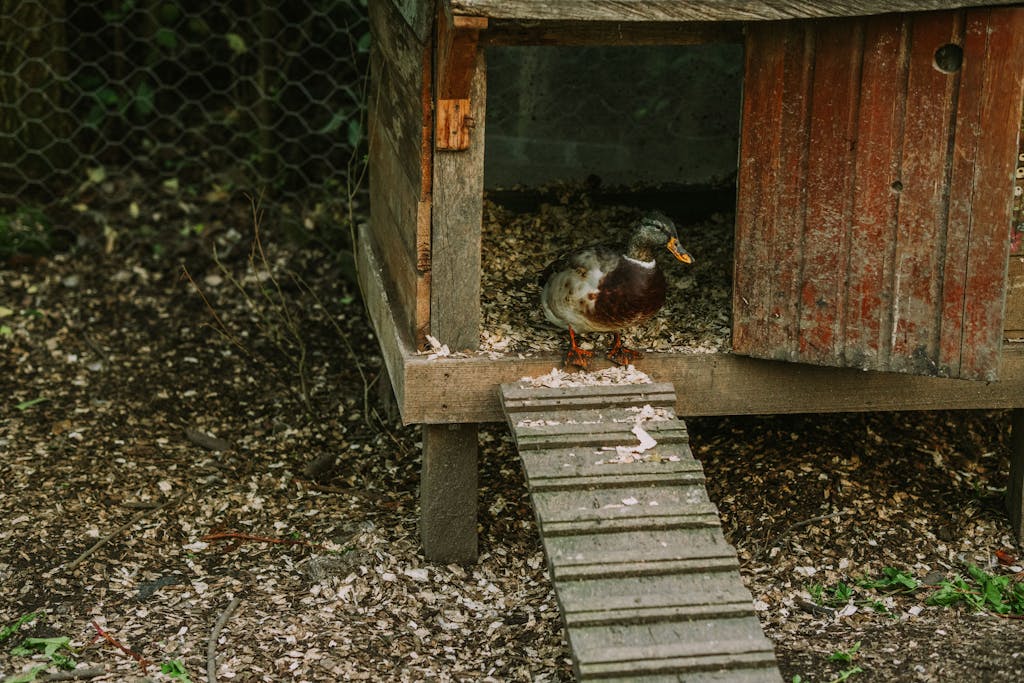
Duck Housing Basics
Ducks are less particular about housing than chickens, but they still need protection from predators and the elements. Unlike chickens, ducks do not roost and instead sleep on the ground. Their shelter should be dry, well-ventilated, and draft-free, with plenty of absorbent bedding to manage moisture.
Outdoor space matters too. Ducks enjoy room to wander, forage, and stretch their wings. A secure run or fenced yard helps protect them while allowing natural behaviors. While ducks love water, full ponds aren’t required—just enough water for head dunking and daily drinking.
Ducks in Cold Weather
One of the biggest advantages of ducks is how well they handle winter conditions. Their feathers provide excellent insulation, and most breeds tolerate cold without the need for supplemental heat. What matters most in winter is access to unfrozen water, dry bedding, and good ventilation to prevent moisture buildup inside the shelter.
Many duck keepers are surprised to find that egg production continues through colder months, especially when ducks are well-fed and not stressed.
How Many Ducks Should You Start With?
Ducks are social animals and should never be kept alone. Starting with a small group allows them to establish natural flock behavior while keeping care manageable for beginners. Many first-time duck keepers choose to start with three to five ducks, avoiding males unless breeding is intentional.
Is Raising Backyard Ducks Right for You?
Backyard ducks are a wonderful choice for families who enjoy a hands-on, natural approach to food and animals. They fit especially well in cooler climates and for those who value rich eggs and sustainable living. However, they do require acceptance of mess, mud, and a less manicured yard.
For those willing to embrace the rhythm of duck life, the rewards often outweigh the challenges.
Conclusion
Raising ducks in the backyard is both practical and deeply satisfying. They offer nutrient-dense eggs, pest control, and a daily reminder of slower, more intentional living. With the right expectations and setup, ducks can thrive almost anywhere and quickly become a beloved part of the household.